with Richard Black
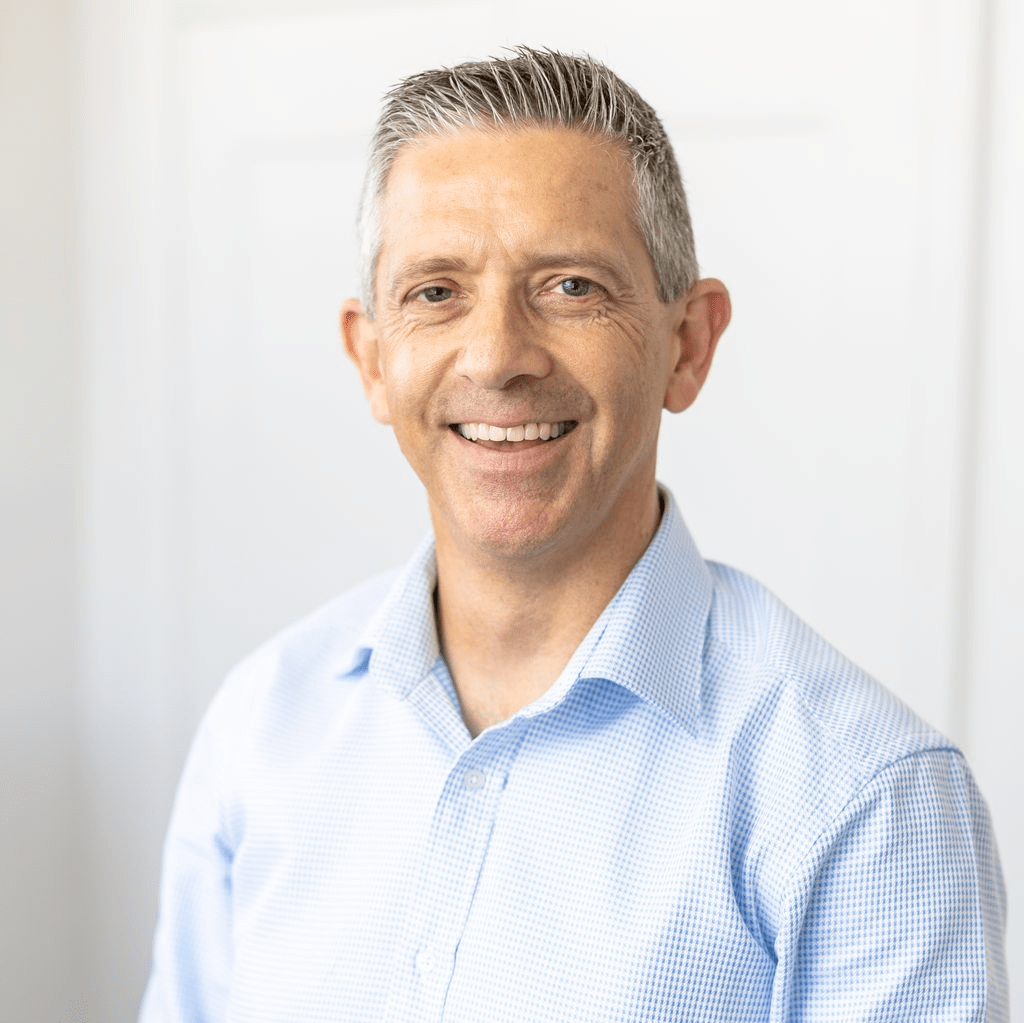
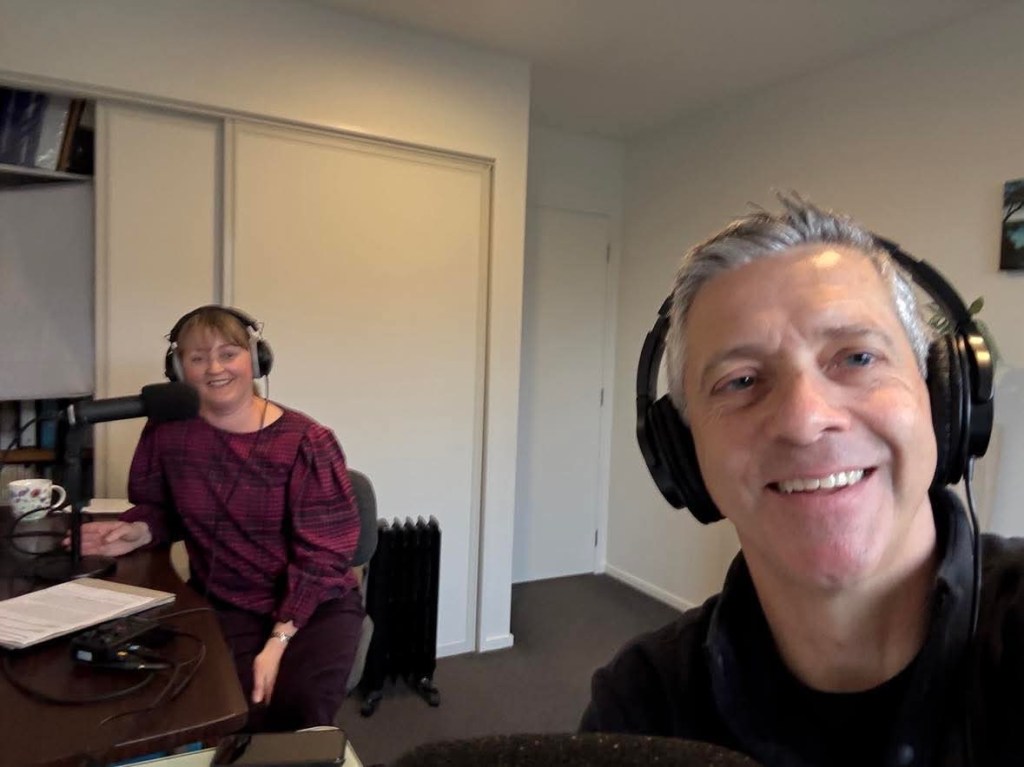
I am pleased to announce the arrival of a new Reviving Hope podcast episode! This time I talk with Richard Black about what happens in the space after someone receives a mental health diagnosis. Richard discusses the hope that neuroplasticity offers, and how we can learn to regulate our emotions. I share from my personal experience of being diagnosed with bipolar disorder and the hope that I found following this. Richard is a counsellor and sought after speaker in Aotearoa New Zealand. Richard and I did a recording a few years ago on this topic and got great feedback about it. This time we revisit it with new content for a fresh message.
Richard provides counselling, leadership coaching, training, supervision and church consultation through his organisation Thriving Churches. To find out more you can visit thrivingchurcheshq.
Questions from the podcast episode, for those who have a mental health diagnosis:
- What are any benefits you have had from being given a diagnosis?
- a) Has being given a diagnosis negatively affected how you see yourself and what you are capable of? b) If so, how could you challenge these beliefs?
- What dreams or goals might be realised if you let go of self-limiting beliefs?
- What did you learn about neuroplasticity and the relationship of the mind to the brain (the brain’s ability to be shaped by what we think on)?
- From what you’ve heard, is there an exercise or approach for managing anxiety you could find helpful to try, e.g., breathing exercises, implementing the four A’s?
If you think it would be helpful, consider discussing your findings with a trusted friend. As always, please do seek out professional help if you need it.
Do subscribe, and share this episode with someone who may be encouraged by this message.
Warm regards,
Bronnie Tressler
 Reviving Hope